

Cart is empty
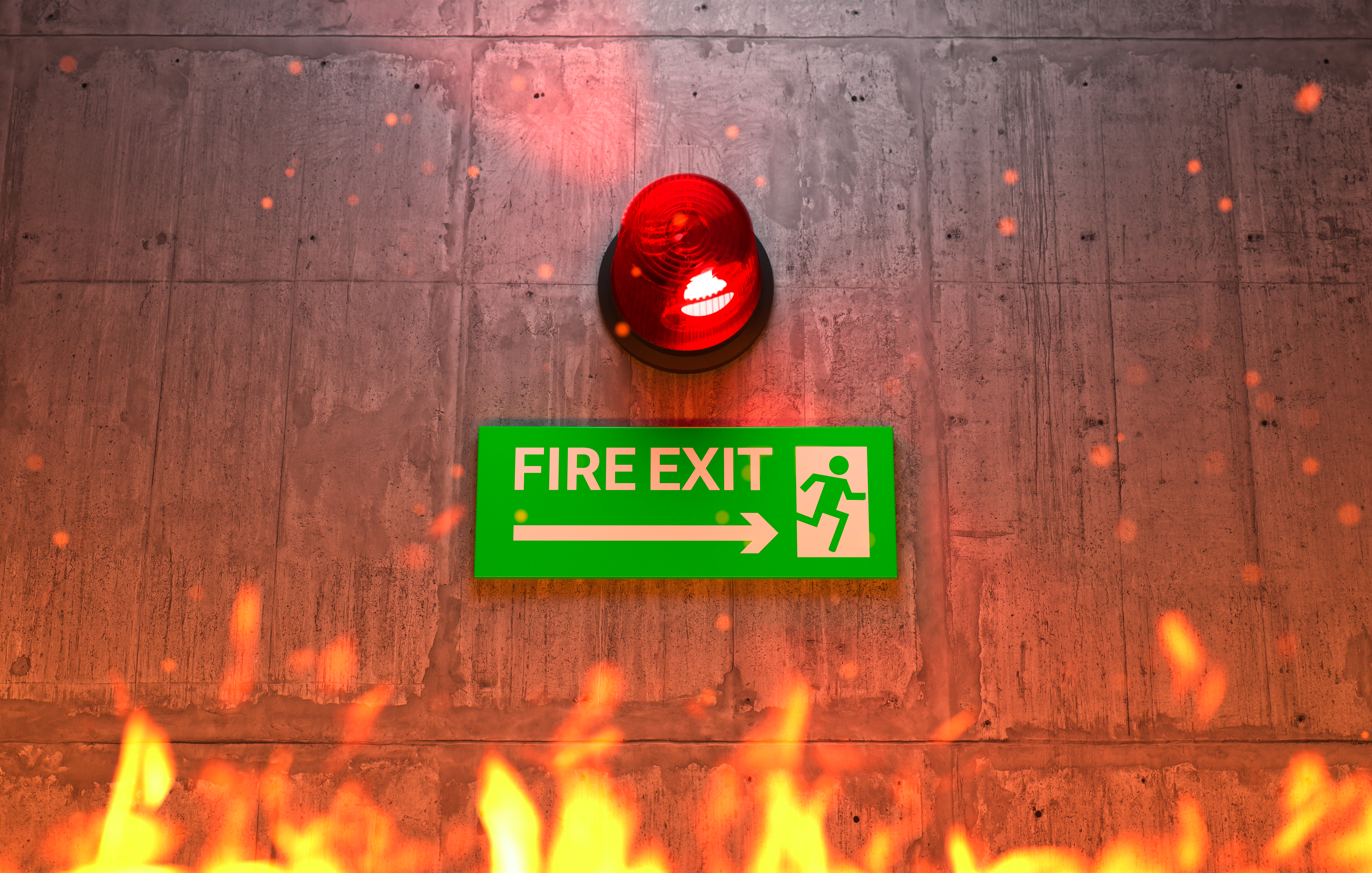
When safety is at stake, every detail counts and that absolutely includes the humble yet essential Emergency Exit Signs. Whether you're managing a small retail space, a bustling office, or a warehouse, emergency exits must be clearly marked, compliant with standards, and dependable—especially during power outages or chaotic situations. At AGM Electrical Supplies, we understand that at a moment’s notice, these signs can mean the difference between order and confusion—and even lives saved.
What Are Emergency Exit Signs (and Why They're Not Optional)
At their core, emergency exit signs are illuminated indicators strategically placed to guide occupants to safety during emergencies. These signs must remain lit at all times, powered by a reliable source and backed up by batteries in case of power failure. Under Australian Standards (AS 2293.1) and building codes like NCC Part E4, every required exit, corridor turn, stairway landing, and discharge point must have properly installed exit signage. It's not a suggestion—it's a legal requirement.
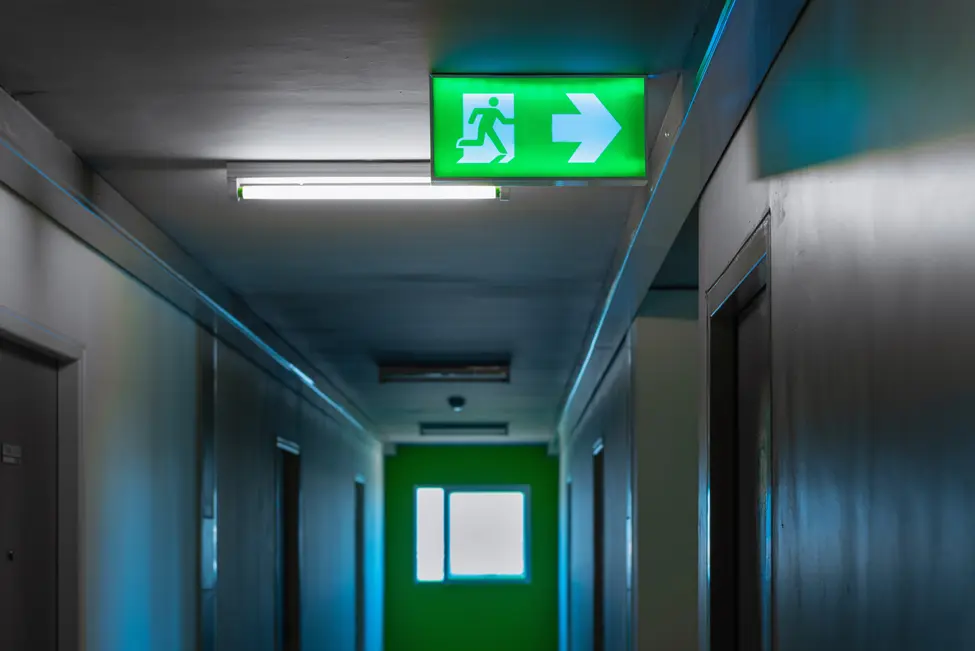
These aren't just signs; they’re silent guides. In chaotic moments, clarity and visibility matter. Signs with directional arrows, easy-to-read “EXIT” text, and proper illumination reduce confusion and guide occupants efficiently.
Australian Standards 101: What Every Exit Sign Must Deliver
Planning exit signage isn’t guesswork it’s a technical exercise governed by standards:
Placement: Typically above or adjacent to exit doors, stairways, ramps, and at corridor junctions. They must be visible from any point along the egress path.
Height: Signs installed between 2 m and 2.7 m above floor level ensure unobstructed visibility.
Legibility: Green pictogram on white or contrasting background, with a pictorial element ≥100 mm tall, in compliance with ISO 7010, AS/NZS 2293, and NCC.
Illumination: Must remain lit for at least 90 minutes during power failure, powered by batteries or emergency lighting circuits.
Visibility Distance: Typically, signs must be seen from up to 30 m depending on their size—placement and size must align with building layout.
Installation & Best Practices That Maximize Safety
Getting it right means more than just sticking a sign on the wall:
- Clear sightlines are non-negotiable. Avoid obstructions like pipes, lights, shelves, or signage, and add additional signs if views are blocked.
- Directional arrows are critical at turns and junctions to prevent confusion, especially in large or maze-like areas.
- Consistent colour and style help occupants quickly recognize safety signage—stick to green symbols with white backgrounds per ISO standards.
- Test and maintain regularly: monthly 30-second functionality test and annual full 90-minute discharge test are mandatory under AS/NZS 2293.1.
- Use photoluminescent signs in low-light zones—they glow in the dark, but they still need proper charging and might require backup lighting.
Choosing Signs with Purpose: Features Matter
When selecting emergency exit signs, consider these features:
- Self-illuminated, LED, or battery-backed units that stay on for 90 minutes during power outages.
- Surface-mount, recessed, or pendant styles to suit your building's aesthetic and mounting requirements.
- Directional arrows, braille overlays, or accessible egress pictograms (including wheelchair symbol) to cover diverse needs and comply with inclusive design guidelines.
- Compliance-certified models that meet AS/NZS 2293, NCC E4.8, and ISO 7010.
AGM Electrical Supplies’ Exit Sign Range
At AGM Electrical Supplies, we deliver a full suite of emergency exit signage and emergency lighting solutions, all available here: AGM Emergency Exits, Battens & Oyster Fittings.
- Battery-backed LED exit signs rated for 90-minute emergencies per Australian standards.
- Self-contained emergency light units that double as room luminaires and backup escape lighting.
- Photoluminescent signs for zones needing glow-in-dark visibility.
- Directional arrow kits, mounting hardware, and flag-style signs to guide movement through complex areas.
- Accessible egress signs with inclusive design and braille.
We partner with accredited brands to ensure full compliance and high quality. Plus, our team provides expert support from site planning advice to post-install compliance verification.
How AGM Makes It Easy
Choosing the right signs can feel overwhelming. That's why AGM offers:
- Free technical advice to navigate AS/NZS 2293 and NCC requirements.
- Detailed spec sheets and mounting guides to help electricians install correctly.
- Specialist support for testing and ongoing compliance, ensuring your site remains audit-ready.
- Fast shipping nationwide across Australia your safety signage shouldn’t take weeks to arrive.
Why Proper Signage Is a Worthwhile Investment
No business wants to gamble with safety or reputation. Proper emergency signage means:
- Compliance with regulations, avoiding fines or red flags during inspections.
- Improved safety minimizing panic and bottlenecks during evacuations.
- Peace of mind for staff, visitors, and insurers.
- Brand trust, showing you care about people and protection—not just profits.
Final Thoughts: Safety First, Always
Emergency exit signs are more than compliance tools—they’re safety lifelines. From regulations and visibility to testing and maintenance, every aspect is critical. At AGM Electrical Supplies, we’re committed to making safety accessible, reliable, and easy to implement.
Visit our Emergency Exit Signs page to explore compliant LED, battery-backed, and photoluminescent signage. For personalized support, contact our expert team today we’ll guide you to safer outcomes with no jargon, no guesswork.
FAQs
What are the legal requirements for emergency exit signs in Australia?
In Australia, emergency exit signs must comply with AS/NZS 2293.1 and the National Construction Code, requiring constant illumination and a minimum 90-minute battery backup during power failures.
Where should emergency exit signs be installed in a building?
Exit signs should be placed above or adjacent to exit doors, stairways, and corridor junctions to ensure clear visibility along all evacuation routes.
How long do emergency exit signs stay illuminated during a power outage?
Most compliant emergency exit signs in Australia are required to stay illuminated for at least 90 minutes after a power failure.
What is the difference between LED and photoluminescent exit signs?
LED exit signs use electric light and battery backup, while photoluminescent signs absorb ambient light and glow in the dark but may need supplemental lighting for full compliance.
Do emergency exit signs need to include directional arrows?
Yes, directional arrows are essential when exits are not immediately visible or when guiding occupants through corners and junctions in evacuation paths.









Recent posts
SMS, Wechat and Whatsapp Contact Details:
For quotes, orders or to get the latest product and pricing news
PLEASE NOTE: We Do Not ANSWER Phone Calls (messages only) and We only respond during business hours.-
Mobile for SMS only

-
Text Message on Whatsapp
 scan Me
 -
Text Message on WeChat
 Wechat ID: agmelectrical
 scan Me

× ![]()