

Cart is empty
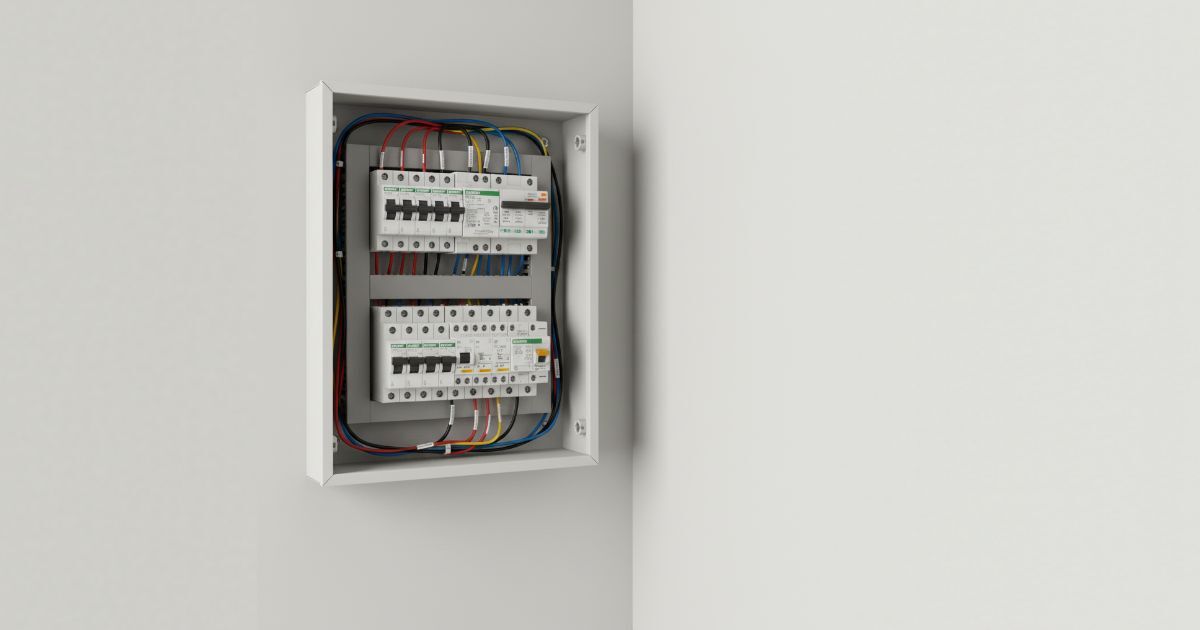
If there’s one thing modern Aussie homes have in common, it’s electronics lots of them. Between rooftop solar, electric vehicle chargers, smart appliances, and sensitive electronics, even a small voltage spike can spell disaster. That’s why Surge Protection isn’t just an optional extra anymore it’s a must for any well-designed switchboard or solar setup.
But which type of surge protection do you actually need? And where should it go in your board before the main switch, after the inverter, or across sub-circuits? This guide walks through everything electricians and homeowners should know about surge protectors in Australia, type 2 SPDs, and solar surge protection without the jargon.
What Causes Surges in the First Place?
Voltage surges are short bursts of high voltage that can damage electrical equipment. They can come from:
- Lightning strikes (even indirect ones)
- Grid switching or faults on the supply line
- Appliance switching (air cons, fridges, or EV chargers)
- Solar inverter feedback or unstable DC circuits
Even a small spike say 1.5kV can silently degrade sensitive electronics over time. Multiply that by daily fluctuations, and you’ve got a hidden cost that eats into the lifespan of your appliances.
That’s where surge protection devices (SPDs) step in acting like shock absorbers for your electrical system.
Understanding Surge Protection Devices (SPDs)
SPDs are designed to divert or clamp excess voltage away from your electrical circuits. They come in three main types, each with its role in the protection chain.
Type 1 SPD Primary Protection
Installed at the main switchboard or service entrance, Type 1 SPDs protect against high-energy surges, especially from lightning. They’re usually required in buildings with overhead power lines or areas prone to storms.
Type 2 SPD Secondary Protection
This is the workhorse for most homes. A Type 2 SPD is installed downstream — typically inside the main or sub-board and protects against residual surges caused by switching, appliances, or the grid. These are what most electricians refer to when they say “surge protectors.”
Type 3 SPD Localized Protection
Used at the appliance level, such as surge-protected power boards or outlets. They’re the last line of defense for sensitive equipment like TVs, routers, and computers.
Where SPDs Go in Modern Switchboards
In most Australian homes, a Type 2 SPD sits neatly alongside the main switch and RCBOs inside the switchboard. It’s wired in parallel, meaning it doesn’t interrupt the flow of power but continuously monitors voltage levels.
When a spike occurs, the SPD activates, shunting the excess voltage to earth within microseconds saving connected devices from damage.
If the home has solar panels, an EV charger, or a backup generator, electricians often add additional SPDs:
- On the AC side of the inverter (to protect against grid surges)
- On the DC side (for solar string protection more on this next)
- At sub-boards feeding garages or workshops
A layered approach works best: one SPD at the main board, another near the solar inverter, and sometimes one protecting data or communication lines.
Solar Surge Protection: Don’t Skip the DC Side
Solar systems introduce their own risks. The DC side of a solar array can experience high-voltage fluctuations, especially during switching or when lightning strikes nearby.
To stay compliant and safe, you need:
- Type 2 DC SPDs between the solar panels and the inverter
- Type 2 AC SPDs between the inverter and the switchboard
These devices are usually rated to handle the higher DC voltages common in solar setups (e.g., 600V or 1000V). Without them, a single surge could damage the inverter one of the most expensive parts of your solar system.
EV Chargers and Sensitive Loads
Electric vehicle chargers are another growing reason to consider surge protection. A sudden spike during charging can damage not just the charger, but also the EV’s onboard electronics an expensive risk few homeowners want to take.
For homes with EVs, the ideal setup includes:
- A Type 2 SPD at the main switchboard
- A dedicated SPD or RCBO circuit for the EV charger
- Proper earthing and bonding to ensure safe discharge of surge energy
Appliances like smart fridges, induction cooktops, and home servers also benefit from consistent surge suppression they contain delicate circuitry that doesn’t tolerate even minor voltage variations.
AS/NZS Standards for Surge Protection
Surge protection in Australia is governed under AS/NZS 3000 (Wiring Rules) and AS/NZS 1768 (Lightning Protection).
A few key points from these standards:
- SPDs must be installed as close as possible to the protected circuit.
- Surge protection is mandatory in some regions or when solar or EV systems are installed.
- The SPD’s discharge capacity (kA rating) must suit the installation’s fault current and exposure risk.
In simpler terms: not all surge protectors are created equal. Choosing the wrong one can mean either overpaying for protection you don’t need — or worse, under-protecting your equipment.
ROI: The Real Cost of Not Installing Surge Protection
A quality Type 2 SPD costs a fraction of what even one damaged appliance does. Consider this:
- Fridge: $1,200
- Air conditioner: $2,000
- Solar inverter: $1,500–$3,000
- EV charger: $1,000–$2,500
Now, compare that to the cost of a properly installed surge protector usually $100–$300 plus labour.
For homeowners, that’s a small investment to avoid big headaches. For electricians, it’s an easy upsell that genuinely adds value to a job.
Most importantly, SPDs protect the whole system, not just one device saving not only money but also time and safety risk.
Common Mistakes When Installing SPDs
Even the best SPD won’t perform properly if installed incorrectly. Some common errors include:
- Too-long wiring runs (reduces clamping effectiveness)
- Improper earthing critical for effective surge discharge
- Mixing AC and DC SPDs incorrectly in solar systems
- Skipping follow-up checks after power board modifications
Always use short, direct cable runs and verify your earthing resistance — that’s where most real-world protection either succeeds or fails.
Choosing the Right SPD Rating
When selecting a surge protector, the kA rating tells you how much surge energy it can safely handle. For residential installations:
- Type 2 SPDs typically range from 20kA to 40kA.
- High-risk zones (lightning-prone areas) may need 50kA+.
- Solar systems require both AC and DC-rated SPDs with voltage ratings suited to your array.
It’s always worth checking that the SPD matches your main breaker’s short-circuit capacity and complies with AS/NZS 3000.
How to Know When It’s Time to Replace an SPD
SPDs don’t last forever. Each surge they absorb degrades them slightly. Most units feature a visual indicator (often a small window that turns red when protection is depleted).
Electricians should check this during routine switchboard maintenance. If the indicator shows red or no light, it’s time for a replacement just like swapping a spent fuse before it becomes a problem.
Bulk-Buy & Installation Tips
For electricians working across multiple homes or developments, it pays to bulk-buy SPDs. You’ll get better pricing and ensure consistency across installations — particularly for switchboard layouts.
When buying, always look for:
- AS/NZS 3000:2018 compliance
- Clear labeling (Type 1, Type 2, or DC SPD)
- Reputable brands (like SAL, Hager, or NHP)
- Replaceable cartridge models, so you don’t have to swap the entire unit
Build It Right, Protect It Once
Surge protection isn’t about overengineering — it’s about foresight. As homes become more electrified — with EVs, smart devices, and solar arrays — the cost of a missed surge grows exponentially.
Installing Type 2 SPDs in switchboards, solar surge protection on both AC and DC sides, and layered defense for sensitive loads ensures every circuit is ready for whatever the grid (or sky) throws at it.
Where to Buy Surge Protectors in Australia
If you’re an electrician or homeowner looking for AS/NZS-compliant surge protection devices, AGM Electrical Supplies stocks a wide range of Type 2 SPDs, solar surge protectors, and board accessories all designed for Australian conditions.
Whether you’re wiring a new home, upgrading solar safety, or fitting out an EV charger, AGM makes it easy to find quality parts at trade pricing.
Explore the range at AGM Electrical Supplies your trusted source for reliable, standards-compliant surge protection solutions across Australia.
FAQs
What is the difference between Type 1 and Type 2 surge protection?
Type 1 SPDs handle high-energy lightning surges, while Type 2 SPDs protect against everyday voltage spikes from the grid or appliances the most common cause of damage in homes.
Do I need a surge protector for my solar system?
Yes, solar systems should have both DC and AC SPDs to protect inverters and panels from surges caused by lightning or grid switching.
Can surge protectors go bad over time?
They can. After multiple surges, SPDs lose capacity and must be replaced most have indicators that show when protection is depleted.
Is surge protection required by law in Australia?
While not mandatory in every home, surge protection is strongly recommended (and sometimes required) under AS/NZS 3000, especially for solar or EV installations.
Where can I buy reliable surge protectors in Australia?
You can get a wide range of compliant Type 2 and solar SPDs from AGM Electrical Supplies, with options for every board setup and budget.









Recent posts
SMS, Wechat and Whatsapp Contact Details:
For quotes, orders or to get the latest product and pricing news
PLEASE NOTE: We Do Not ANSWER Phone Calls (messages only) and We only respond during business hours.-
Mobile for SMS only

-
Text Message on Whatsapp
 scan Me
 -
Text Message on WeChat
 Wechat ID: agmelectrical
 scan Me

× ![]()